Fabric Sourcing Process

A clear process makes fabric sourcing easier to control.

From the first fabric brief to supplier matching, sample review, quotation comparison, quality checkpoints, and production follow-up, twhytextile helps buyers move step by step instead of guessing which supplier or fabric route is right.

Why Process Matters

Fabric sourcing is not only finding a supplier name.

Buyers often lose time because the fabric requirement is unclear, the MOQ route does not fit, samples do not match the final bulk, or supplier communication becomes scattered. A visible process helps keep every decision traceable.

01

Clearer fabric brief

We help organize material, usage, composition, GSM, color, finish, quantity, and target price before supplier matching begins.

02

Better supplier fit

Stock suppliers, mills, dyeing routes, and finishing partners are compared based on the real order situation.

03

Sample control

Swatches, lab dips, strike-offs, hand feel, stretch, color, and finish are reviewed before moving toward bulk production.

04

Less hidden risk

MOQ, lead time, price conditions, delivery uncertainty, and quality checkpoints become visible before the buyer commits.

Step By Step

Eight steps from product idea to repeatable fabric supply.

Hover or click each step to see what happens at that stage and what information buyers should expect.
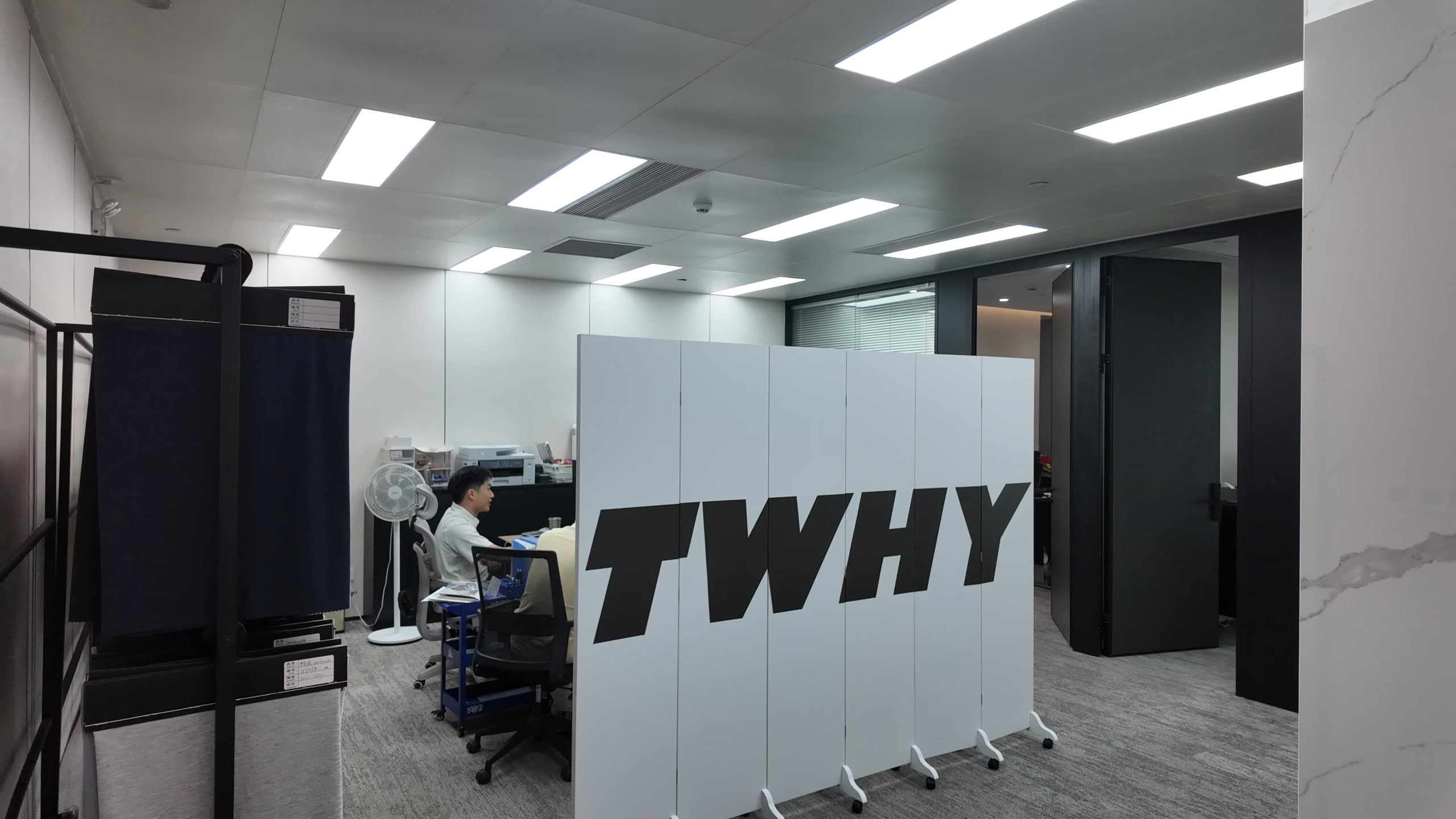
Buyer sharing product idea and fabric references
01

Share product and fabric requirements

Tell us the product type, target market, reference fabric, order stage, quantity, color direction, and performance goal. This gives the sourcing work a clear starting point.

  • Fabric brief
  • Reference review
  • Order context
Buyer Handoff

The process helps buyers communicate clearly with factories.

Some buyers already have a garment factory or product factory. twhytextile focuses on the fabric side, then helps turn fabric decisions into information that can be handed back to production teams.

  • For brands with existing factories Get better fabric options when the factory's recommended fabrics are too common, too expensive, too high MOQ, or not performance-ready.
  • For factories and trading companies Shorten supplier search time when a buyer asks for a fabric type that is outside the factory's usual fabric network.
  • For mixed-material projects Separate cotton, polyester, nylon, recycled, waterproof, stretch, printing, dyeing, and finishing needs into workable routes.
Fabric development planning and technical discussion
What Buyers Get

Clearer decisions before fabric moves into production.

The final output is not just a list of contacts. Buyers need practical supplier options, sample evidence, comparison points, and enough fabric information to make the next production decision.

Supplier options that fit the order

Matched by material type, quantity, MOQ, price target, delivery need, and whether the buyer needs stock, negotiated sourcing, or direct mill matching.

Sample and quality checkpoints

Swatches, lab dips, strike-offs, hand feel, GSM, stretch, color, and finish can be checked before the buyer commits to bulk fabric.

Fabric information for production

Help buyers prepare clearer material information for garment factories, product factories, or internal development teams.

Start with the fabric situation you are facing now.

Send your product type, target fabric, quantity, sample stage, target price, and production plan. We will help identify which sourcing step should come first.

Send Fabric Request