Route by order size
Below 5,000m may need stock search. 5,000-10,000m may need supplier negotiation. 10,000m+ can justify direct mill matching.
Most buyers can find supplier names. The harder part is knowing which sourcing route fits the fabric, order size, sample stage, factory workflow, and final product standard.
Compare sourcing routesA sourcing partner should help buyers avoid wrong-route decisions: using a factory when the MOQ does not fit, using stock fabric when repeatability matters, or trusting online quotes before sample and quality details are clear.
Below 5,000m may need stock search. 5,000-10,000m may need supplier negotiation. 10,000m+ can justify direct mill matching.
MOQ, sample lead time, communication quality, repeatability, development support, and delivery risk are compared together.
We help keep swatches, lab dips, strike-offs, sample feedback, and supplier updates visible before the project moves to bulk.
whytextile is most valuable when fabric is part of the product advantage: activewear, outdoor, workwear, bags, home textile products, sustainable collections, special hand feel, performance finish, or mixed-SKU purchasing.
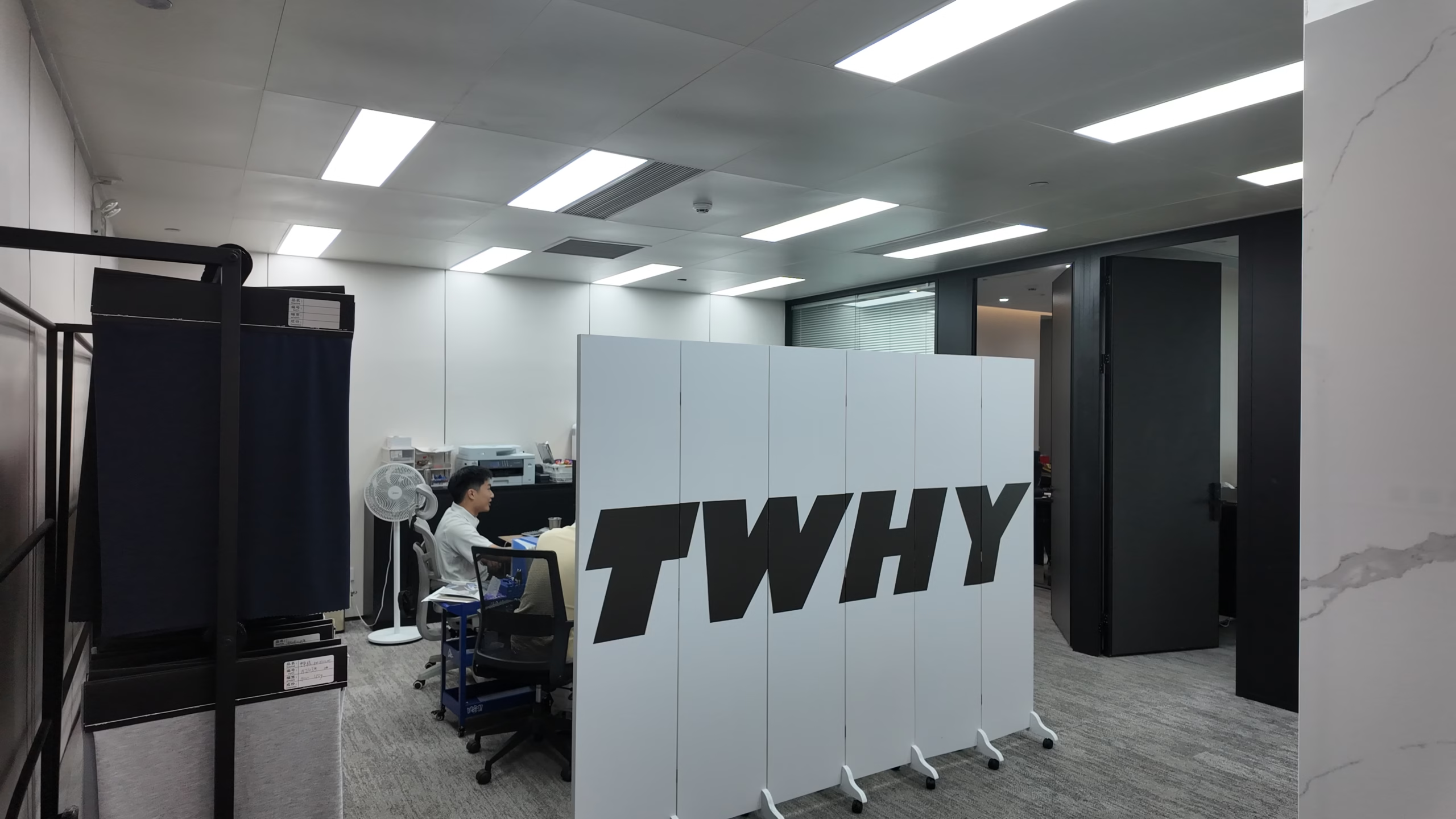
Buyers can search online, ask their garment factory, or contact mills directly. But when the project needs material judgment, supplier comparison, sample follow-up, and production-ready decisions, the missing role is a local fabric sourcing partner.
| Buyer concern | Traditional factory | Local wholesaler | Online fabric supplier | whytextile |
|---|---|---|---|---|
| Best order fit | Strong for large ordersWorks best when the buyer already has clear specs and can meet factory MOQ. | Strong for small quantityUseful for stock fabric, but development choice and repeatability can be limited. | Depends on supplierGood for collecting options, but actual MOQ and sample support vary widely. | Route by quantityBelow 5,000m stock search; 5,000-10,000m negotiation; 10,000m+ factory matching. |
| Price transparency | Low unit price possibleCan be cost-effective when order scale and fabric specs fit the factory. | Stock price spreadOften faster, but buyers need to understand stock premium and replacement risk. | Quote needs checkingPrice may not include realistic sampling, delivery, color, or quality conditions. | Compare route costWe compare price together with MOQ, quality risk, sampling path, and lead time. |
| Fabric development | Production focusedFactories may recommend familiar fabrics rather than develop a differentiated fabric direction. | Limited developmentUsually better for available goods than custom hand feel, finish, or performance matching. | Uneven capabilitySome suppliers can develop, but buyers must verify technical understanding themselves. | Development supportReference swatch matching, hand feel comparison, GSM, composition, stretch, finish, and sample feedback. |
| Quality stability | Stable if matureStrong when the factory and fabric route are already proven. | Stock variesStock lots may change, and repeat orders can be harder to control. | Needs verificationQuality depends on the individual supplier and how well samples represent bulk. | Checkpoint basedWe use swatch, lab dip or strike-off, pre-bulk confirmation, and order follow-up as visible checkpoints. |
| Buyer workload | Buyer still manages fabric riskThe buyer may need to check whether factory fabric options match the product goal. | Buyer compares aloneGood for finding fabrics, but the buyer still handles supplier filtering and follow-up. | High communication loadBuyers must compare many suppliers, chase samples, and validate promises. | Local coordinationWe help screen options, compare details, follow samples, and translate fabric decisions into production-ready information. |
The value should not depend on vague claims. A buyer can judge the service by whether we ask the right questions, compare the right options, and make fabric decisions easier to move into production.
Share your reference sample, quantity, target price, garment use, and quality concerns. We will help identify the sourcing route that fits the project stage.
Send Fabric Requirement