Route by order size
Use stock search, market sourcing, negotiated supply, or direct mill matching according to quantity and repeat needs.
Let us source it for you.
Start with whatever you already have: a fabric swatch, garment, reference photo, technical pack, composition target, or simply the effect you want. We turn it into a practical China fabric search brief.
A supplier name is only useful when its fabric, order route, sample stage, and production capability fit the project.
Use stock search, market sourcing, negotiated supply, or direct mill matching according to quantity and repeat needs.
Review MOQ, realistic quote conditions, sample timing, repeatability, development support, quality risk, and delivery responsibility.
Coordinate swatches, lab dips, strike-offs, sample feedback, supplier communication, and production checkpoints.
The goal is not to force every project into one factory MOQ. The sourcing route should reflect volume, customization, timing, and quality risk.
Search stock, ready qualities, and suitable market options before forcing custom production.
Stock search · fast swatches · practical MOQBalance price, MOQ, lead time, sample quality, communication, and the ability to reproduce the fabric.
Negotiation · repeatability · supplier comparisonScreen production capability, confirm pre-bulk standards, and maintain visible quality checkpoints.
Direct mill route · pre-bulk control · bulk stabilityThese five situations summarize the most common reasons buyers need local fabric sourcing support.
Compare capacity, pre-bulk approval, repeat quality, and delivery risk for larger orders.
Search existing qualities, stock routes, and comparable alternatives suitable for sampling or smaller production.
Review several suppliers and negotiate the route instead of accepting one familiar fabric.
Source the material independently, then deliver the selected fabric and production information to the garment factory.
Group different fabrics by technical need, MOQ, supplier route, sampling path, and production timing.
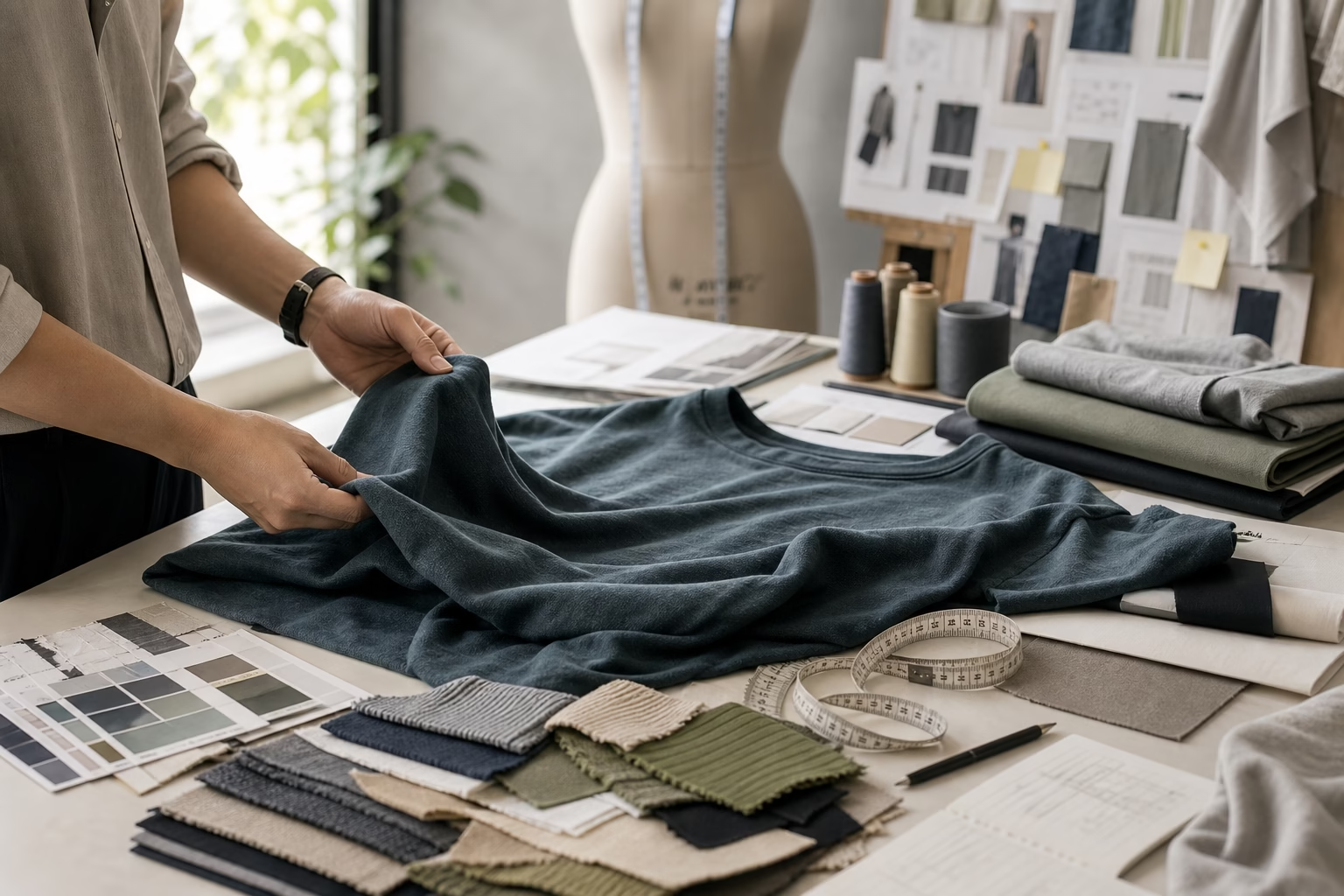
The garment factory may know the construction, but its available fabric resources may be too ordinary, too expensive, too high MOQ, or unable to meet the required hand feel and performance.
Instead of forcing every material through one supplier, split the project by technical and commercial requirements.
| Project need | Typical fabric types | Practical sourcing direction |
|---|---|---|
| Functional apparelPerformance depends on stretch, finish, and testing. | NylonSpandexHigh stretchQuick dry | Compare performance routes Match fabric hand feel, GSM, stretch, finish, colorfastness, and sample development. |
| Sustainable collectionCertification and source credibility matter before production. | GRS recycledCottonRayonLinen | Screen supplier claims Compare available certificates, MOQ, swatch options, and realistic lead time. |
| Home textile or bagsDurability, finishing, color, and surface treatment create complexity. | WovenWaterproofDyed fabricPrinted fabric | Coordinate material and process Separate base fabric, color, printing, finishing, sample confirmation, and supplier tasks. |
Type, composition, GSM, width, finish, hand feel, target use, quantity, price range, and reference.
MOQ, quote conditions, sample support, repeatability, lead time, and development capability.
Swatches, lab dips, strike-offs, hand-feel comparison, comments, revisions, and approval records.
Confirmed fabric information, supplier updates, quality checkpoints, factory-side communication, and delivery coordination.
Organize product use, target market, composition, GSM, hand feel, finish, quantity, price, timing, and references.
Select stock search, market sourcing, negotiated supply, or direct mill development.
Review supplier capability, sample lead time, MOQ, pricing, hand feel, color, and production risk.
Finalize the fabric direction, pre-bulk reference, quality checkpoints, and factory handoff.
Share the reference, quantity, target price, garment use, and quality concerns. We will organize the sourcing route that fits the project.